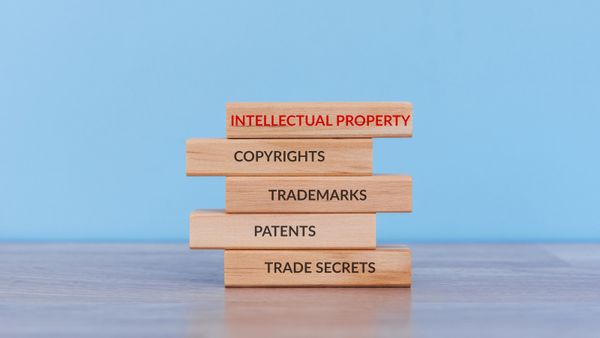
A trade secret is any information that allows you to make money because it is not generally known. A trade secret could be a formula, computer program, process, method, device, technique, pricing information, customer lists or other non-public information. If the economic value of a piece of information relies on it being kept private, it could be a trade secret.
One of the most famous examples of a trade secret is the formula for Coca-Cola. The formula, also referred to by the code name "Merchandise 7X," is known to only a few people and kept in the vault of a bank in Atlanta, Georgia. The individuals who know the secret formula have signed non-disclosure agreements, and it is rumored that they are not allowed to travel together. In the past, you could not buy Coca-Cola in India because Indian law required that trade-secret information be disclosed. In 1991, India changed its laws regarding trademarks, and Coca-Cola can now be sold in that country.
Advertisement
Trade secrets are very different from patents, copyrights and trademarks. While patents and copyrights require you to disclose your information in the application process (information that eventually becomes public), trade secrets require you to actively keep the information secret. Trade-secret protection can potentially last longer than that of patents (20 years) and copyrights (100 years). Some of the ways to protect a trade secret are as follows:
- Restrict access to the information (lock it away in a secure place, such as a bank vault).
- Limit the number of people who know the information.
- Have the people who know the trade secret agree in writing not to disclose the information (sign non-disclosure agreements).
- Have anyone that comes in contact with the trade secret, directly or indirectly, sign non-disclosure agreements.
- Mark any written material pertaining to the trade secret as proprietary.
Trade secrets remain valid only as long as no one else has discovered the information independently, the information has not been made public (by employees or published literature) nor discovered by working backward from the original product/process or publicly observing the product/process. If the trade secret is revealed in violation of a non-disclosure agreement, you can sue for damages. However, once the secret is revealed, it is hard to get the trade-secret status resumed. Trade secrets are protected under many state laws, Federal statutes and some international laws.
For more information on this and related topics, check out the links on the next page.
Advertisement