
Lots of foods can contain some pretty weird-sounding stuff. That's because processed foods have some amazing things they have to do. For example, a cookie might get made in Texas, trucked across the country in the middle of the summer, sit in a warehouse for a couple of weeks before it is sold and then ride home in the trunk of your car. And when you open the package, you expect the cookie to look perfect. Not an easy thing to accomplish, it turns out.
Things like liquids and cheese can be even more problematic, because their natural inclination is to separate, foam, melt, precipitate, et cetera, especially after they bounce down the road for a thousand miles.
Advertisement
That's why many foods contain chemicals known as gums. Two gums that are pretty familiar are gelatin and corn starch. If you look at processed food, you see all sorts of other gums like carrageenan, xanthan gum, cellulose gum, locust bean gum, agar, and so on. Food scientists (not cooks -- food scientists make processed foods) use these substances for four main reasons:
- They thicken things: Ice cream, marshmallow fluff, pancake syrup, etc., all benefit from thickening.
- They emulsify things: They help liquids to stay mixed together without separating.
- They change the texture: Generally, a gum will make something thicker or chewier.
- They stabilize crystals: A gum might help prevent sugar or ice from crystallizing.
These are all handy capabilities when making food products that have to look good for several months after trucking them across the country. The reason why a normal cook usually does not need to use things like carrageenan or xanthan gum is because the food a normal cook makes gets eaten quickly and is not mistreated. A cook can also use less expensive things like gelatin, flour or eggs because the time span between cooking and consumption is so short.
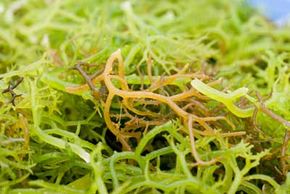
Carrageenan, by the way, is a seaweed extract. This particular type of seaweed is common in the Atlantic Ocean near Britain, Continental Europe and North America. You boil the seaweed to extract the carrageenan. In that sense, carrageenan is completely "natural" -- it's not much different from tomato paste in its creation.
Advertisement