
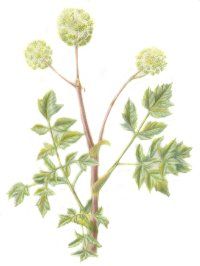
Dong Quai, also know as Angelica, and as dang gui, tang kuei, and tang kwei, received its name, according to legend, after an angel revealed herself to a medieval European monk and taught him the medicinal virtues of angelica. Angelica sinensis, commonly called dong quai, is native to China and has been used there as a medicine for thousands of years.
This herbal remedy botanical, taken primarily from the root (however also sometimes the leaves, stem and seeds are used as a confection and flavoring agent) is now commonly used in North America as well.
Advertisement
Dong quai has a faint aniselike flavor; that's why the seed oil is sometimes extracted and used as a flavoring. (The leaves of the European species, Angelica archangelica, flavor the liqueur Benedictine.) Dong quai preparations are readily available in health food stores and many regular grocery stores, and can be used to treat certain gynecologic issues.
Uses for Dong Quai
Dong quai is used primarily to treat menstrual complaints, such as menstrual pain and scanty menstruation. Studies have shown that dong quai is useful in treating other gynecologic complaints as well, including premenstrual syndrome (PMS), and menstrual problems such as cramping and irregular cycles.
Though dong quai does not actually contain steroids or hormone molecules, one of its constituents is coumarin. Coumarin is most widely known for its use in preventing blood clotting, but constituents related to it may have numerous actions. Coumarin compounds have an anti-inflammatory and antispasmodic effect, especially on the uterus.
Dong quai also contains ferulic acid, a pain reliever and muscle relaxer. Indeed, the herb is often used to treat painful menstrual cramps or other cases of uterine spasms. Oddly enough, several studies have shown that dong quai acts as a muscle relaxant overall, but before it relaxes the uterus, it stimulates the uterus briefly. The uterus is a muscle, and when dong quai stimulates it, its tone improves and it becomes tight and contracts more readily.
All muscles function better when they are well toned, and the uterus is no exception. A well-toned, strong, healthy uterus is less prone to cramps and muscle spasms. In addition to relaxing the uterus, ferulic acid also may relax the heart muscles, lower blood pressure, and calm cardiac arrhythmias (a variation in the normal rhythm of the heartbeat).
Studies also cite dong quai's effectiveness in treating allergies and respiratory complaints. Several chemical agents in dong quai may have an antihistamine and antiserotonin effect. Histamine, serotonin, and other substances are released from blood cells in response to something that irritates the body -- such as pollen, dust, chemical fumes, or animal dander -- and causes the symptoms we associate with allergies. An antihistamine curbs these symptoms, thus explaining dong quai's reported anti-allergy effects.
In the next section, you will learn how to prepare dong quai for herbal remedies and some of the potentially dangerous side effects.
To learn more about treating common medical conditions at home, try the following links:
- For an overview of all of our herbal remedies, go to the main Herbal Remedies page.
- To learn more about treating medical conditions at home, visit our main Home Remedies page.
- One of the best things you can do for your health and well being is to make sure you are getting enough of the vital nutrients your body needs. Visit our Vitamins page to learn more.
This information is solely for informational purposes. IT IS NOT INTENDED TO PROVIDE MEDICAL ADVICE. Neither the Editors of Consumer Guide (R), Publications International, Ltd., the author nor publisher take responsibility for any possible consequences from any treatment, procedure, exercise, dietary modification, action or application of medication which results from reading or following the information contained in this information. The publication of this information does not constitute the practice of medicine, and this information does not replace the advice of your physician or other health care provider. Before undertaking any course of treatment, the reader must seek the advice of their physician or other health care provider.Before engaging in any complementary medical technique, including the use of natural or herbal remedies, you should be aware that many of these techniques have not been evaluated in scientific studies. Use of these remedies in connection with over the counter or prescription medications can cause severe adverse reactions. Often, only limited information is available about their safety and effectiveness. Each state and each discipline has its own rules about whether practitioners are required to be professionally licensed. If you plan to visit a practitioner, it is recommended that you choose one who is licensed by a recognized national organization and who abides by the organization's standards. It is always best to speak with your primary health care provider before starting any new therapeutic technique.
Advertisement