Uses of Cramp Bark
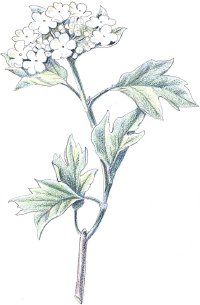
![]() ©2007 Publications International, Ltd. Cramp bark can help treat menstrual cramps and other organs, such as muscles and the intestines. |
Cramp bark also contains more antispasmodic volatile oils than other species. Cramp bark usually works rapidly for simple menstrual cramps. If it fails to relieve symptoms, the discomfort is probably not due to uterine muscle spasm but to inflammation or irritation of the uterus or ovaries, endometrial infection, or cysts. Cramp bark's close relative, black haw, also is useful for uterine cramps, congestion, and irritation in the uterus and ovaries with radiating pains, and may be better indicated for those types of complaints.
Cramp bark has been used to halt contractions during premature labor. It has also been used in the last trimester of pregnancy to build up uterine muscles and ensure an easy labor. Be sure to consult with an experienced herbalist or naturopathic physician before taking any botanicals during pregnancy.
The antispasmodic constituents in cramp bark also may lower blood pressure by relaxing vessel walls. When taken in large dosages (30 drops or more every two or three hours), cramp bark may reduce leg cramps, muscle spasms, or pain from a stiff neck.
Cramp Bark Preparations and Dosage
Bark is peeled from the root and dried for decoction or made into an alcohol or glycerin tincture.
If your menstrual cycles are regular, you can use a cramp bark preparation three to four times a day starting the day before the usual onset of cramps. Don't take cramp bark during the entire cycle for menstrual cramps, however; use it only as you need it.
Cramp Bark Precautions and Warnings
Cramp bark is harmless in regular doses. Do not use if you have a sensitivity to aspirin.
Cramp Bark Side Effects
Nausea, vomiting, and diarrhea have been reported with large doses (60 drops or more taken hourly). Even this large dose, however, is often tolerated with no side effects or problems. People sensitive to aspirin also may be sensitive to cramp bark.
To learn more about treating common medical conditions at home, try the following links:
- For an overview of all of our herbal remedies, go to the main Herbal Remedies page.
- To learn more about treating medical conditions at home, visit our main Home Remedies page.
- One of the best things you can do for your health and well being is to make sure you are getting enough of the vital nutrients your body needs. Visit our Vitamins page to learn more.
Jennifer Brett, N.D. is director of the Acupuncture Institute for the University of Bridgeport, where she also serves on the faculty for the College of Naturopathic Medicine. A recognized leader in her field with an extensive background in treating a wide variety of disorders utilizing nutritional and botanical remedies, Dr. Brett has appeared on WABC TV (NYC) and on Good Morning America to discuss utilizing herbs for health.
This information is solely for informational purposes. IT IS NOT INTENDED TO PROVIDE MEDICAL ADVICE. Neither the Editors of Consumer Guide (R), Publications International, Ltd., the author nor publisher take responsibility for any possible consequences from any treatment, procedure, exercise, dietary modification, action or application of medication which results from reading or following the information contained in this information. The publication of this information does not constitute the practice of medicine, and this information does not replace the advice of your physician or other health care provider. Before undertaking any course of treatment, the reader must seek the advice of their physician or other health care provider.
Before engaging in any complementary medical technique, including the use of natural or herbal remedies, you should be aware that many of these techniques have not been evaluated in scientific studies. Use of these remedies in connection with over the counter or prescription medications can cause severe adverse reactions. Often, only limited information is available about their safety and effectiveness. Each state and each discipline has its own rules about whether practitioners are required to be professionally licensed. If you plan to visit a practitioner, it is recommended that you choose one who is licensed by a recognized national organization and who abides by the organization's standards. It is always best to speak with your primary health care provider before starting any new therapeutic technique.