
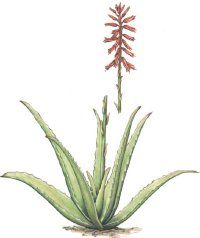
Almost everyone is aware of the healing virtues of aloe vera. This well-known medicinal plant is used around the world to treat skin ailments, burns, and in many other herbal remedies. Aloe is commercially cultivated in warm, tropical climates -- such as Barbados, Haiti, Venezuela, and South Africa -- and warm regions of the United States, such as Texas. But all you need is a warm area to grow your own potted aloe plant.
Uses of Aloe Vera
Aloe is cherished for its wound-healing and pain-relieving effects. Many people keep an aloe plant in their kitchen so it is readily available to treat burns from grease splatter or hot utensils. (Severe burns require treatment by a physician.) Aloe is even safe for use on children.
Advertisement
Aloe contains slippery, slimy constituents that have a demulcent (soothing) effect, as well as a vulnerary (wound-healing) effect. An early study published in the International Journal of Dermatology in 1973 describes the effects of aloe vera gel applied topically on leg ulcers. Each of the three patients studied had a serious raw, open sore on a leg that persisted for 5 to 15 years. (These ulcers commonly occur in individuals with diabetes, those who have problems with blood circulation, and those who are bedridden.) After aloe was repeatedly applied to the ulcers, they healed completely in two patients; the third patient's ulcer showed significant improvement. More recent studies have shown similar results.
Scientists are investigating the use of aloe in treating cancer and certain blood diseases, particularly those associated with low white blood cell counts, such as leukemia. In fact, veterinarians use extracts from the aloe plant to treat cancer and feline leukemia in their animal patients. It is thought that a molecule in the aloe gel, known as acemannan, stimulates the body to produce disease-fighting white blood cells, particularly macrophages. The word macrophage means "big eater" -- macrophages engulf and digest unwanted substances, such as bacteria and viruses, in the bloodstream and tissues. Macrophages also release substances that battle tumor cells and fight infection.
Another constituent of aloe, aloin, also is being studied for its ability to prevent breast and ovarian cancer cells from growing. Both acemannan and aloin show promise in their ability to help fight cancer, but much more research is needed to know how and when to use aloe for this purpose.
Modern clinical studies show that aloe is one of the best herbs for soothing skin and healing burns, rashes, frostbite, and severe wounds. It also is used to treat eczema, dandruff, acne, ringworm, gum disease, and poison oak and ivy. Aloe is found commercially in a number of creams and lotions for softening and moisturizing the skin. It works by inhibiting formation of tissue-injuring compounds that gather at the site of a skin injury. The plant contains chrysophanic acid, which is highly effective in healing abrasions.
In the next section, you will learn how to prepare aloe vera for herbal remedies and some of the potentially dangerous side effects.
To learn more about treating common medical conditions at home, try the following links:
- For an overview of all of our herbal remedies, go to the main Herbal Remedies page.
- To learn more about treating medical conditions at home, visit our main Home Remedies page.
- One of the best things you can do for your health and well being is to make sure you are getting enough of the vital nutrients your body needs. Visit our Vitamins page to learn more.
This information is solely for informational purposes. IT IS NOT INTENDED TO PROVIDE MEDICAL ADVICE. Neither the Editors of Consumer Guide (R), Publications International, Ltd., the author nor publisher take responsibility for any possible consequences from any treatment, procedure, exercise, dietary modification, action or application of medication which results from reading or following the information contained in this information. The publication of this information does not constitute the practice of medicine, and this information does not replace the advice of your physician or other health care provider. Before undertaking any course of treatment, the reader must seek the advice of their physician or other health care provider.Before engaging in any complementary medical technique, including the use of natural or herbal remedies, you should be aware that many of these techniques have not been evaluated in scientific studies. Use of these remedies in connection with over the counter or prescription medications can cause severe adverse reactions. Often, only limited information is available about their safety and effectiveness. Each state and each discipline has its own rules about whether practitioners are required to be professionally licensed. If you plan to visit a practitioner, it is recommended that you choose one who is licensed by a recognized national organization and who abides by the organization's standards. It is always best to speak with your primary health care provider before starting any new therapeutic technique.
Advertisement