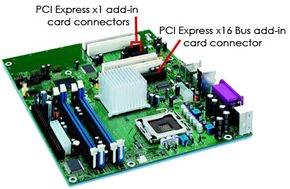
Peripheral Component Interconnect Express, commonly known as PCIe, stands as a pivotal technology in the realm of computer hardware. It provides a high-speed interface for connecting peripheral devices (such as keyboards, sound cards, or external hard drives, to name a few) to a computer's motherboard. From its inception to its current iterations, PCIe has continually evolved to meet the demands of modern computing.
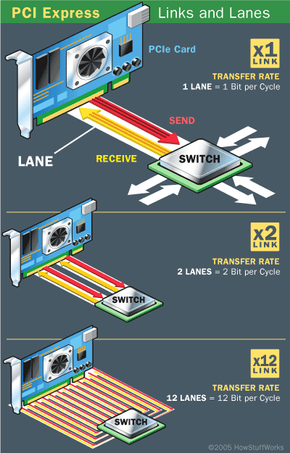
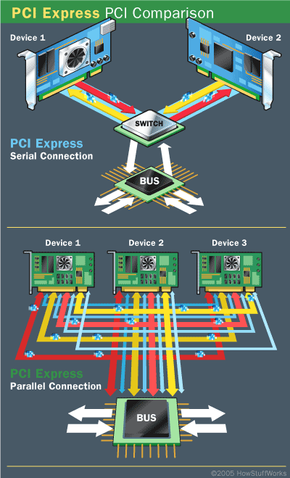
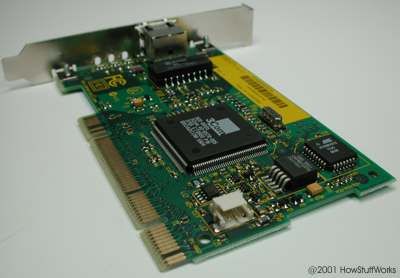
Whether you're a computer enthusiast keen on building your own system or simply curious about the mechanics behind your device's operations, you're in luck. In this article, we'll examine what makes PCIe different from PCI. We'll also look at how PCI Express makes a computer faster, can potentially add graphics performance, and can replace the Accelerated Graphics Port (AGP) slot.
Advertisement