As of now, there is no cure for diabetes; however, the disease can be treated and managed successfully. The key to treating diabetes is to closely monitor and manage your blood-glucose levels through exercise, diet and medications. The exact treatment regime depends on the type of diabetes.
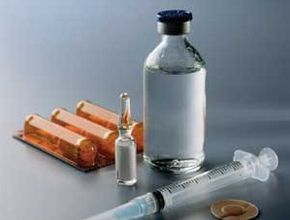
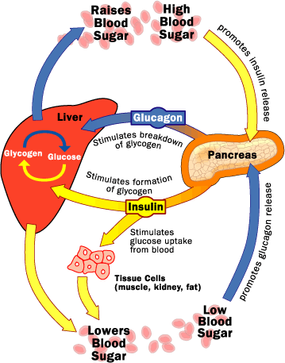
If you have Type 1 diabetes, you lack insulin and must administer it several times each day. Insulin injections are usually timed around meals to cope with the glucose load from digestion. You must monitor your blood-glucose levels several times a day and adjust the amounts of insulin that you inject accordingly. This keeps your blood-glucose concentration from fluctuating wildly.
There are some implantable insulin infusion pumps that allow you to press a button and infuse insulin. If you inject too much insulin, you can drive your blood-glucose level well below normal (hypoglycemia). This can cause you to feel light-headed and shaky because your brain cells are not receiving enough glucose (mild episodes can be relieved by eating a candy bar or drinking juice). If your blood glucose goes really low, you can lapse into a coma (insulin shock), which can be life-threatening. In addition to insulin injections, you have to watch your diet to keep track of the carbohydrate and fat contents, and you must exercise frequently. This treatment continues for the rest of your life.
If you have Type 2 diabetes, you can usually manage it by reducing your body weight through dieting and exercise. You may have to monitor your blood glucose either daily or just when you visit your doctor. Depending on the severity of your diabetes, you may have to take medication to aid in controlling your blood glucose. Most of the medicines for Type 2 diabetes are oral medications, and their actions fall into the following categories:
- Stimulating the pancreas to release more insulin to help reduce blood glucose
- Interfering with the absorption of glucose by the intestine, thereby preventing glucose from entering the bloodstream
- Improving insulin sensitivity
- Reducing glucose production by the liver
- Helping to breakdown or metabolize glucose
- Supplementing insulin directly in the bloodstream through injections
Like a Type 1 diabetic, a Type 2 diabetic is on this treatment for the rest of his or her life.
There are a number of alternative treatments for diabetes. These alternative treatments are not widely accepted, mainly due to lack of scientific research on their effectiveness or lack of scientific consensus. Such treatments include:
- Acupuncture - This is an Eastern medical treatment whereby needles are inserted at various centers in the body to release natural painkillers, which may help in managing painful nerve damage in diabetes.
- Biofeedback - This psychological technique involves using meditation, relaxation and stress-reduction methods to manage and relieve pain.
- Chromium - Additional chromium in your diet may help your body make a glucose-tolerance factor that helps improve insulin action. However, the scientific information on chromium supplementation in diabetes is insufficient, and no consensus exists.
- Magnesium - Diabetics tend to be deficient in magnesium, which can worsen the complications of diabetes, especially Type 2. The exact nature of the relationship between magnesium and diabetes is still under research, and no consensus has been reached.
- Vanadium - Vanadium may normalize blood glucose in Type 1 and 2 diabetic animals, but there is not enough information available for humans. This area is currently under research.
As with any medical treatment, you should discuss treatment options with your physician. For more information on alternative treatments, see the NIDDK bulletin Alternative Therapies for Diabetes.
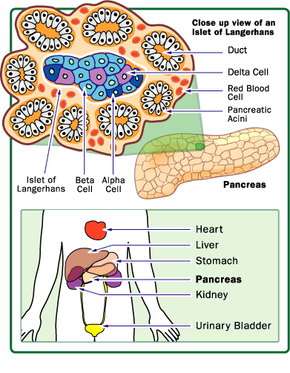
One of the most promising developments for future, perhaps permanent, treatments for Type 1 diabetes is pancreatic islet transplantation. In this technique, islets are removed from the pancreas of a deceased donor and injected through a thin tube (catheter) into the liver of a diabetic patient. After some time, the islet cells attach to new blood vessels and begin releasing insulin. Although early studies have shown some success, rejection of the donor's tissue is a major problem. Research continues in this field because of its great potential to treat diabetes.
To learn more about diabetes and related topics, check out the links on the next page.