
Mapping the Human Genome
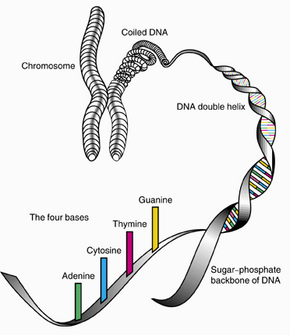
If you think of the human body as big, complicated, encrypted code, then the scientists mapping the human genome are attempting to break that code. Once the code is broken, it will reveal many secrets of how the human body works, and it could lead to greater disease prevention. In June 2000, scientists from the Human Genome Project and from Celera Genomics both announced that they had assembled a working draft sequence of the human genome, a major step in cracking the code.
What researchers are trying to do is construct a detailed genetic map of the human genome and determine the entire nucleotide sequence of human deoxyribonucleic acid (DNA). A nucleotide is the basic unit of nucleic acid, which is found in the 23 pairs of chromosomes in the human body. According to the Human Genome Project, there are between 26,000 and 40,000 genes in the human body. Each of these genes is composed of a unique sequence of pairs, each with four bases, called base pairs.
Advertisement
In a DNA molecule, which is shaped like a twisted ladder, the bases are the chemicals that interlock to form the rungs of the ladder. The sides of the ladder are made of sugar and phosphate molecules. The human body has about 3 billion base pairs, but only about 4 percent of those pairs constitute DNA that affects gene function. We don't have any idea about the purpose of the other 96 percent of base pairs, consequently termed junk-DNA.
The finished sequence was completed, with 99.99-percent accuracy, in 2003. Discovering the secrets of the sequence is still in its infancy.
Better understanding the human genome will tell us a lot about how life works. It could lead to preventing or curing diseases, because genetics is what getting sick is all about -- our genes are trying to fight off the genes of a virus or bacteria. The next step will be to determine how this battle is played out. Today, researchers know the positions of some genes that control our medical traits. Other genes have been located but their functions are unknown, and still others remain entirely elusive. The point of genome research is to locate the genes and determine just how the four bases are sequenced, and then to learn what the genes actually do…
… which opens the door to all sorts of options.